Guide to Eating Ontario Fish
The Guide to Eating Ontario Fish is an advisory database that provides fish consumption advisories for Ontario lakes and rivers. The zip file includes a GIS shapefile of all lake/river locations and a text file of [...]


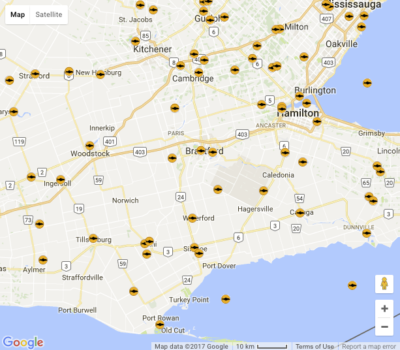
The Guide to Eating Ontario Fish is an advisory database that provides fish consumption advisories for Ontario lakes and rivers. The zip file includes a GIS shapefile of all lake/river locations and a text file of [...]
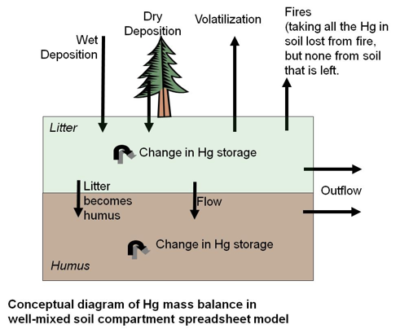
While atmospheric mercury deposition is ultimately the main source of mercury to most freshwaters, many rivers and lakes receive most of their mercury loads from atmospheric deposition that first passes through terrestrial systems. Reed [...]
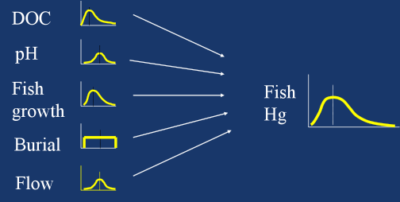
In most regions, it is not possible to monitor or simulate every lake. There are simply too many waterbodies. At the same time, no single waterbody is representative of all lakes and rivers in a [...]
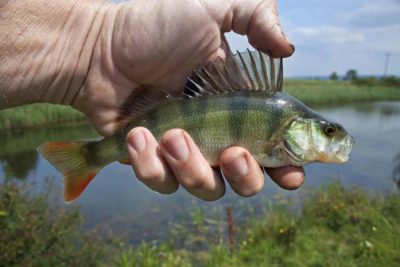
The saying “you are what you eat” holds true for methylmercury in fish, as fish obtain most of their methylmercury from their diet. Fish mercury concentrations are also affected by processes within the fish [...]
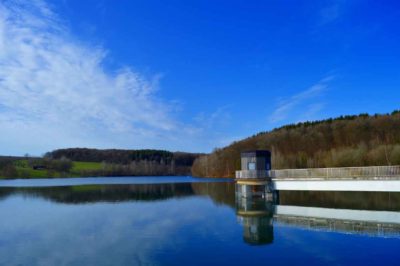
Fish mercury concentrations in reservoirs can increase several times above background levels, peak 5-15 years after flooding, and take 2-3 decades to recover to levels within the natural range for lakes. Some [...]
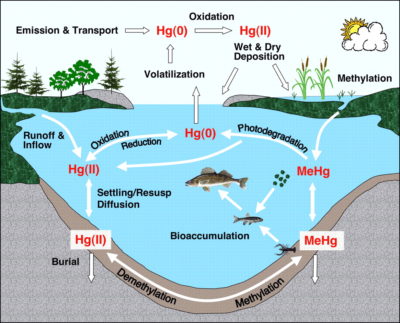
Fish mercury concentrations in lakes can exceed standards for commercial sale and result in consumption advisories for individuals. Fish mercury concentrations in lakes can exceed standards for commercial sale and result in consumption advisories [...]
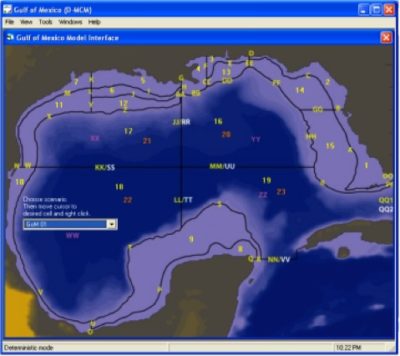
Reed Harris Environmental has developed a version of EPRI’s Dynamic Mercury Cycling model for the Gulf of Mexico. The model is being used to better understand sources of mercury and factors contributing to elevated [...]
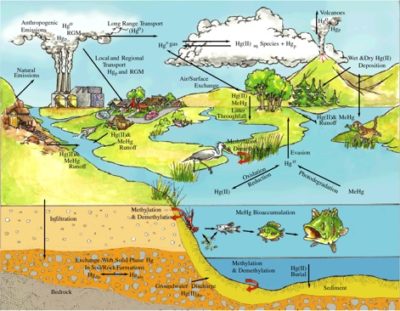
Reed Harris Environment Ltd. is currently investigating potential links between climate change and mercury cycling in the environment. These studies, which involve simulation modeling, laboratory experiments, and analysis of existing data, are being done in [...]
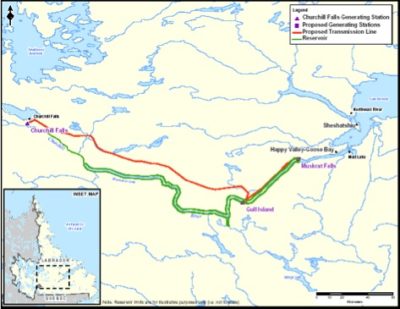
A hydroelectric project is proposed for the Lower Churchill River in Labrador. The increase in fish mercury levels is variable among reservoirs, e.g. 1.5X – 7X above background and there is a need to [...]
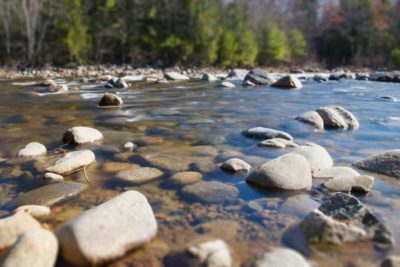
Mercury was released between 1929 and 1950 from a former DuPont facility at Waynesboro, VA. Elemental and divalent inorganic mercury were both released and transported into surface waters, sediments, floodplain soils and biota of [...]